പ്രമേഹരോഗികൾക്ക് ചോളം ഉപ്പുമാവ് അല്ലെങ്കിൽ കമ്പ് പൗഡർ കഴിക്കുന്നത് നല്ലതാണോ? ഇതിന്റെ ഗ്ലൈസെമിക് സൂചിക എത്രയാണ്?
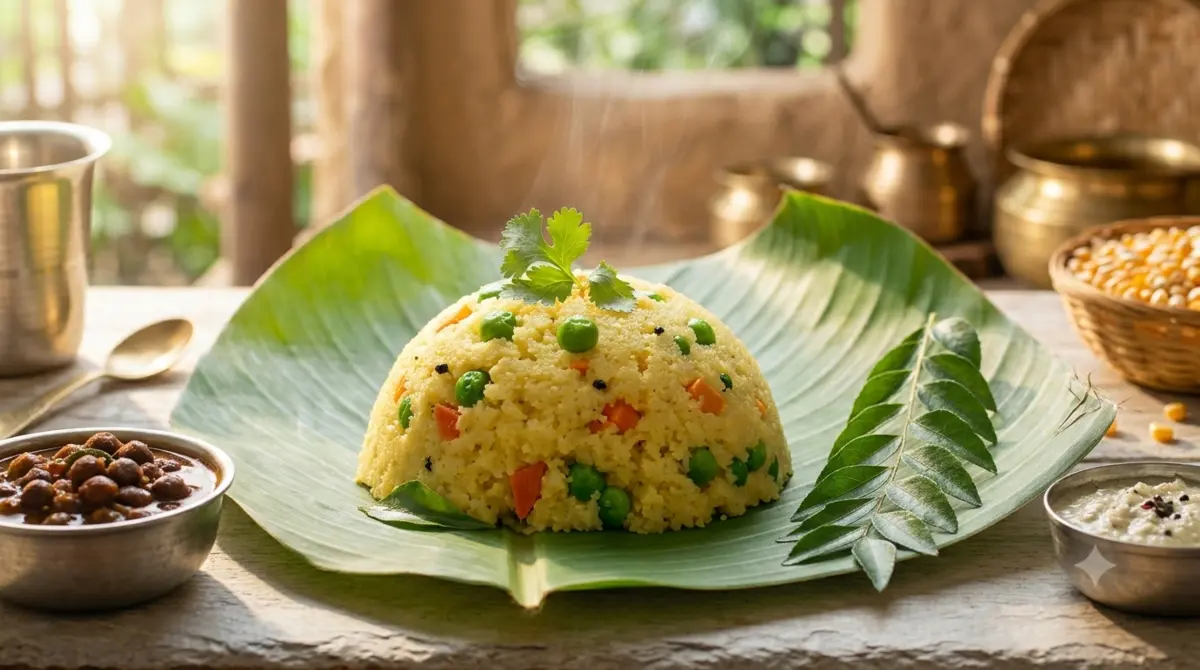
പ്രമേഹരോഗികൾക്ക് (Diabetes) മിതമായ അളവിൽ ചോളം ഉപ്പുമാവ് (കമ്പ് പൗഡർ) കഴിക്കാവുന്നതാണ്. എന്നാൽ ഇത് എങ്ങനെ തയ്യാറാക്കുന്നു എന്നതും എത്ര അളവിൽ കഴിക്കുന്നു എന്നതും രക്തത്തിലെ പഞ്ചസാരയുടെ അളവിനെ നേരിട്ട് ബാധിക്കും.
ഗ്ലൈസെമിക് സൂചിക (Glycemic Index - GI)
ചോളപ്പൊടിയുടെ (Maize Rava / Cornmeal) ഗ്ലൈസെമിക് സൂചിക ഏകദേശം 55 മുതൽ 69 വരെയാണ്.
- ഇടത്തരം ജി.ഐ (Medium GI): 55-നും 69-നും ഇടയിലുള്ള ഭക്ഷണങ്ങൾ ഇടത്തരം ഗ്ലൈസെമിക് സൂചിക വിഭാഗത്തിലാണ് വരുന്നത്.
- സാധാരണ വെളുത്ത അരി (GI 70+) അല്ലെങ്കിൽ മൈദ (GI 85+) എന്നിവയേക്കാൾ കുറവാണിത്. എന്നിരുന്നാലും, പൊടിയുടെ തരികൾ എത്രത്തോളം നേർത്തതാണോ അതിനനുസരിച്ച് ജി.ഐ അല്പം കൂടാൻ സാധ്യതയുണ്ട്.
- കേരളത്തിലെ സ്കൂളുകളിൽ ഉപയോഗിച്ചിരുന്ന മഞ്ഞച്ചോളപ്പൊടിയുടെ (Maize Rava) ജി.ഐ 60-ന് അടുത്താണ്.
പ്രമേഹരോഗികൾ ശ്രദ്ധിക്കേണ്ട കാര്യങ്ങൾ
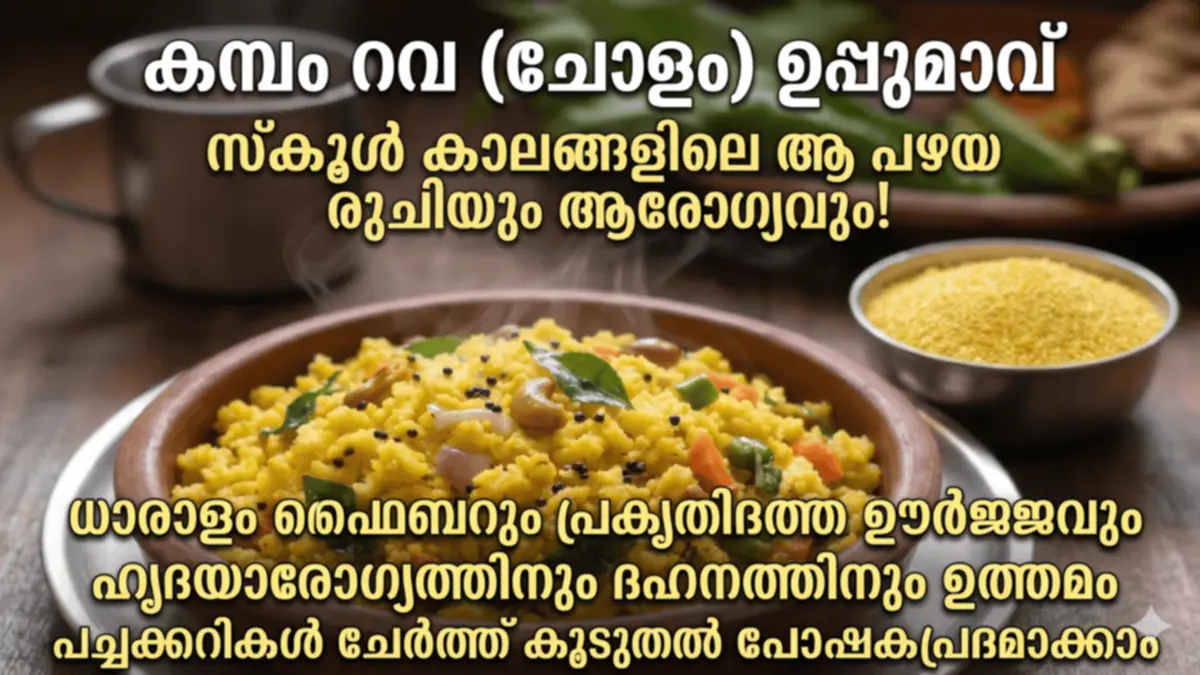
- തരികളുള്ള പൊടി തിരഞ്ഞെടുക്കുക: വളരെ നേർത്ത പൊടിയേക്കാൾ (Fine flour) അല്പം തരികളുള്ള റവ രൂപത്തിലുള്ള ചോളപ്പൊടിയാണ് (Maize Rava) നല്ലത്. തരികളുള്ളവ ദഹിക്കാൻ കൂടുതൽ സമയമെടുക്കുന്നതിനാൽ രക്തത്തിലെ പഞ്ചസാര പെട്ടെന്ന് ഉയരുന്നത് തടയും.
- പച്ചക്കറികൾ ധാരാളം ചേർക്കുക: ഉപ്പുമാവ് ഉണ്ടാക്കുമ്പോൾ ചോളപ്പൊടിയുടെ അളവ് കുറച്ച് അതിലേക്ക് കാരറ്റ്, ബീൻസ്, ഗ്രീൻ പീസ്, കാബേജ്, സവാള തുടങ്ങിയ നാരുകൾ (Fiber) അടങ്ങിയ പച്ചക്കറികൾ ധാരാളമായി ചേർക്കുക. ഇത് ഭക്ഷണത്തിന്റെ മൊത്തത്തിലുള്ള ഗ്ലൈസെമിക് ലോഡ് (Glycemic Load) കുറയ്ക്കും.
- പ്രോട്ടീനും ആരോഗ്യകരമായ കൊഴുപ്പും: ഉപ്പുമാവ് തയ്യാറാക്കുമ്പോൾ അല്പം പരിപ്പുവർഗ്ഗങ്ങളോ (ഉഴുന്ന്, കടലപ്പരിപ്പ്), നിലക്കടലയോ ചേർക്കാം. ഒപ്പം കഴിക്കാൻ പഞ്ചസാരയ്ക്കും പഴത്തിനും പകരം കടലക്കറി, ചെറുപയർ കറി, അല്ലെങ്കിൽ മുട്ട എന്നിവ തിരഞ്ഞെടുക്കുന്നത് പഞ്ചസാരയുടെ അളവ് നിയന്ത്രിക്കാൻ സഹായിക്കും.
- അളവ് നിയന്ത്രിക്കുക (Portion Control): ഒരു നേരത്തെ ഭക്ഷണത്തിൽ ഒരു ചെറിയ ബൗൾ (ഏകദേശം 1 കപ്പ് വേവിച്ച ഉപ്പുമാവ്) മാത്രം കഴിക്കാൻ ശ്രദ്ധിക്കുക. അമിതമായി കഴിച്ചാൽ കാർബോഹൈഡ്രേറ്റ് കൂടി ഷുഗർ വർദ്ധിക്കാൻ കാരണമാകും.
- ശർക്കരയും പഞ്ചസാരയും ഒഴിവാക്കുക: കമ്പ് പൗഡർ ഉപയോഗിച്ച് ഉണ്ടാക്കുന്ന കുറുക്കുകൾ, ഹൽവ എന്നിവ പ്രമേഹരോഗികൾ ഒഴിവാക്കേണ്ടതാണ്.
Is It Good for Diabetic Patients to Eat Corn Upma (Maize) or Kambam Powder? What Is Its Glycemic Index?
Diabetic patients can eat corn upma (kambam powder) in moderation. However, how it is prepared and how much is eaten directly affect blood sugar levels.
Glycemic Index (GI)
The glycemic index of cornmeal / maize rava (kambam powder) is approximately 55 to 69.
- Medium GI: Foods with a GI between 55 and 69 fall into the medium glycemic index category.
- It is lower than regular white rice (GI 70+) or maida / refined wheat flour (GI 85+). However, the finer the flour is ground, the slightly higher its GI can be.
- The GI of traditional yellow maize rava (kambam powder) used in Kerala school meals is close to 60.
Things Diabetic Patients Should Keep in Mind
- Choose Coarser Rava Over Fine Flour: Slightly coarse maize rava is better than very fine flour. Coarser grains take longer to digest, helping prevent sudden spikes in blood sugar.
- Add Plenty of Vegetables: Use less maize rava and add fiber-rich vegetables such as carrots, beans, green peas, cabbage, and onions. This lowers the overall glycemic load of the meal.
- Include Protein and Healthy Fats: Add a small amount of lentils (urad dal, chana dal) or peanuts while making the upma. Pair it with kadala curry, green gram curry, or eggs instead of sugar or banana to help keep blood sugar steady.
- Practice Portion Control: Limit your serving to a small bowl (around 1 cup of cooked upma) per meal. Eating too much increases carbohydrate intake and can raise blood sugar.
- Avoid Jaggery and Sugar: Sweet preparations made from kambam powder, such as kurukku or halwa, should be avoided by people with diabetes.