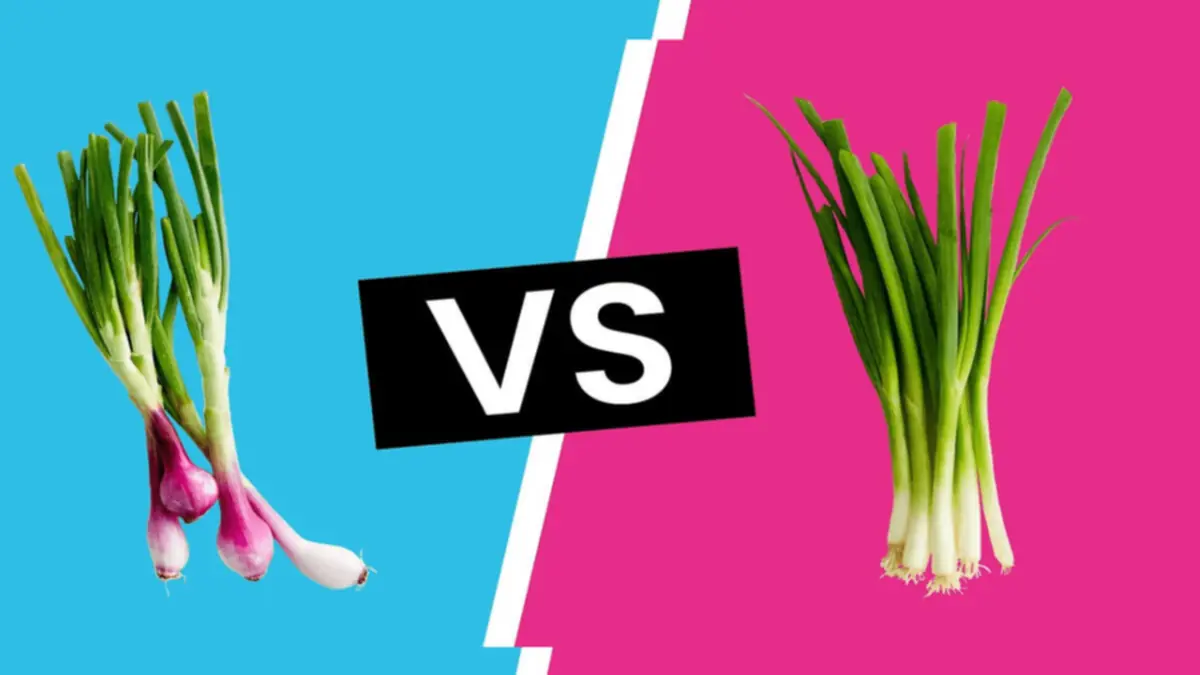
പച്ച ഉള്ളി, സ്കാലിയൺ, സ്പ്രിംഗ് ഉള്ളി എന്നിവ തമ്മിലുള്ള വ്യത്യാസം
ഗ്രീൻ ഒണിയൻ (Green Onion) എന്ന് വിളിക്കുന്ന ഉള്ളിത്തണ്ടും (Scallion) സ്പ്രിംഗ് ഒണിയനും (Spring Onion) തമ്മിലുള്ള വ്യത്യാസം എന്താണ്? സാധാരണ ഉള്ളിത്തണ്ടിനെ പൊതുവേ മലയാളികൾ സ്പ്രിംഗ് ഒണിയൻ എന്നാണ് വിളിക്കുന്നത്; അത് ശരിയാണോ? നമുക്ക് പരിശോധിക്കാം.
തീവ്രത കുറഞ്ഞ ഉള്ളിയുടെ രുചി ആഗ്രഹിക്കുമ്പോൾ സ്കാലിയോണുകളും പച്ച ഉള്ളിയുമാണ് നമ്മുടെ ആദ്യ തിരഞ്ഞെടുപ്പ്. എന്നാൽ സ്പ്രിംഗ് ഉള്ളി എന്താണ്? അവ സ്കാലിയോണുകൾക്ക് തുല്യമാണോ? സത്യത്തിൽ പച്ച ഉള്ളിയും (Green Onions) സ്കാലിയോണും (Scallions) ഒന്നുതന്നെയാണ്; ഇവയ്ക്ക് സ്പ്രിംഗ് ഉള്ളിയേക്കാൾ നേരിയ രുചിയാണുള്ളത്. കൂടുതൽ വ്യക്തമായി അറിയാൻ ഇവയോരോന്നും എന്താണെന്ന് നോക്കാം.
സ്കാലിയോണുകളും പച്ച ഉള്ളിയും (Scallions & Green Onions) എന്താണ്?
പച്ച ഉള്ളിയും സ്കാലിയോണും ഒരേ പച്ചക്കറിയുടെ രണ്ട് വ്യത്യസ്ത പേരുകളാണ്. നമുക്ക് പരിചിതമായ സാധാരണ സവാള/ഉള്ളി (Bulb-forming onions) വളർന്ന് അടിഭാഗം ഉരുളുന്നതിന് മുൻപ് വളരെ ചെറുപ്പത്തിൽ തന്നെ വിളവെടുക്കുന്നവയോ, അല്ലെങ്കിൽ ഒരിക്കലും ബൾബ് രൂപപ്പെടാത്ത പ്രത്യേക ഇനങ്ങളിൽ നിന്നോ ആണ് ഇവ ലഭിക്കുന്നത്.
സ്കാലിയോണുകൾ നീളമുള്ളവയാണ്; ഇവയുടെ വെളുത്ത തണ്ടിന്റെ അടിഭാഗം പുറത്തേക്ക് വീർത്തിരിക്കില്ല. ഇവയ്ക്ക് സാധാരണ ഉള്ളിയുടെ അത്ര തീവ്രമല്ലാത്ത നേരിയ എരിവും രുചിയുമാണുള്ളത് (വെളുത്ത ഭാഗത്താണ് ഏറ്റവും കൂടുതൽ രുചി അടങ്ങിയിരിക്കുന്നത്). ഇവ പച്ചയായോ വേവിച്ചോ ഉപയോഗിക്കാം. പച്ച നിറത്തിലുള്ള ഇലകളും വെളുത്ത തണ്ടും ഉൾപ്പെടെ മുഴുവനായും ഭക്ഷണത്തിൽ ചേർക്കാവുന്നതാണ്. ഏഷ്യൻ പാചകരീതികളിൽ ഇവ ധാരാളമായി ഉപയോഗിക്കുന്നു. വാങ്ങുമ്പോൾ തിളക്കമുള്ള പച്ച നിറവും, വാടാത്ത ഇലകളും, ഉറച്ച വെളുത്ത തണ്ടുമുള്ളവ നോക്കി തിരഞ്ഞെടുക്കുക.
സ്പ്രിംഗ് ഉള്ളി (Spring Onions) എന്താണ്?
മറുവശത്ത്, സ്പ്രിംഗ് ഉള്ളി കാഴ്ചയിൽ സ്കാലിയോണുകൾക്ക് സമാനമാണെങ്കിലും ഇവയുടെ അടിഭാഗത്ത് ചെറിയൊരു ഉള്ളി (Bulb) രൂപപ്പെട്ടിരിക്കുന്നത് കാണാം. ബൾബുകൾ ഉത്പാദിപ്പിക്കുന്ന ഇനങ്ങളിൽ നിന്നാണ് ഇവ വരുന്നത്; അടിസ്ഥാനപരമായി സ്കാലിയോണുകളുടെ കുറച്ചുകൂടി മൂപ്പെത്തിയ രൂപമാണിത്. ശരത്കാലത്തിന്റെ (Late Fall) അവസാനത്തിൽ നട്ട് അടുത്ത വസന്തകാലത്ത് (Spring) വിളവെടുക്കുന്നതിനാലാണ് ഇവയ്ക്ക് "സ്പ്രിംഗ് ഒണിയൻ" എന്ന പേര് ലഭിച്ചത്.
സാധാരണ സവാളയേക്കാൾ മധുരവും മൃദുത്വവും സ്പ്രിംഗ് ഒണിയനുണ്ട്, എങ്കിലും സ്കാലിയോണുകളേക്കാൾ തീവ്രമായ രുചിയായിരിക്കും ഇവയ്ക്ക്. ഇനത്തിനനുസരിച്ച് ഇതിന്റെ അടിഭാഗത്തെ ബൾബുകൾ ചുവപ്പോ വെള്ളയോ ആകാം. സാധാരണ ഉള്ളി പോലെ തന്നെ ഇവ ഉപയോഗിക്കാമെങ്കിലും ഗ്രിൽ ചെയ്യാനോ, മുഴുവനായി വഴറ്റാനോ, പേൾ ഒണിയൻ (ചെറിയ ഉള്ളി) പോലെ കറികളിൽ ഉപയോഗിക്കാനോ ആണ് ഇവ കൂടുതൽ മികച്ചത്.
എന്തുകൊണ്ടാണ് ഈ ആശയക്കുഴപ്പം?
പച്ച ഉള്ളിയും സ്പ്രിംഗ് ഉള്ളിയും ഒന്നാണോ എന്ന കാര്യത്തിൽ പലപ്പോഴും ആശയക്കുഴപ്പം ഉണ്ടാകാറുണ്ട്. കാനഡ, യുണൈറ്റഡ് കിംഗ്ഡം (UK) തുടങ്ങിയ രാജ്യങ്ങളിൽ പച്ച ഉള്ളിയെ (Scallions) പൊതുവായി 'സ്പ്രിംഗ് ഒണിയൻ' എന്ന് വിളിക്കുന്നതിൽ നിന്നാണ് ഈ ആശയക്കുഴപ്പം ഉടലെടുത്തത്. അങ്ങനെയാണ് നമ്മുടെ നാട്ടിലും ഉള്ളിത്തണ്ടിന് സ്പ്രിംഗ് ഒണിയൻ എന്ന പേര് പ്രചാരത്തിലായത്.
ഒന്നിനു പകരം മറ്റൊന്ന് ഉപയോഗിക്കാൻ കഴിയുമോ?
സ്കാലിയോണുകളുടെയും സ്പ്രിംഗ് ഉള്ളിയുടെയും ഘടന സമാനമാണെങ്കിലും അവയുടെ രുചിയുടെ തീവ്രത വ്യത്യസ്തമാണെന്ന് ഓർമ്മിക്കുക. സാലഡുകളിലോ ഗാർണിഷ് ചെയ്യാനോ പച്ചയായി ഉപയോഗിക്കുമ്പോൾ സ്കാലിയോണിന് പകരം സ്പ്രിംഗ് ഉള്ളി ഉപയോഗിക്കുന്നത് അത്ര ഉചിതമല്ല, കാരണം സ്പ്രിംഗ് ഉള്ളിക്ക് എരിവും രുചിയും കൂടുതലായിരിക്കും.
എന്നിരുന്നാലും, നിങ്ങൾ ഇവ വേവിച്ചാണ് (Cooked) ഉപയോഗിക്കാൻ ഉദ്ദേശിക്കുന്നതെങ്കിൽ, ചൂടാകുമ്പോൾ സ്പ്രിംഗ് ഉള്ളിയുടെ തീവ്രത കുറയുകയും മൃദുവാകുകയും ചെയ്യും. അതിനാൽ പാചകം ചെയ്യുന്ന വിഭവങ്ങളിൽ ഇവ രണ്ടും പരസ്പരം പകരമായി ഉപയോഗിക്കാവുന്നതാണ്.
Difference Between Green Onions, Scallions, and Spring Onions
What is the difference between green onion leaves (scallions) and spring onions? Is it true that regular onion stalks are commonly called spring onions by Malayalis? Let’s find out.
When we want a milder onion flavor, scallions and green onions are our go-to ingredients. But what are spring onions—are they the same as scallions? In reality, green onions and scallions are the exact same thing, and they have a much milder flavor than spring onions. Let’s dive into the world of onions to understand the difference clearly.
What are Scallions and Green Onions?
Green onions and scallions are simply two different names for the exact same vegetable! They either come from regular bulb-forming onions harvested very young before a bulb develops, or from specific onion varieties that never form a bulb.
Scallions are long and slender, with a straight white base that does not bulge out. They have a mild bite compared to regular onions, with the white part holding the most intense flavor. They can be used raw or cooked. While some cooks trim the dark green tips, the entire stalk is completely edible and is heavily used in Asian cuisine. Scallions are available year-round; when buying, look for bright green, undamaged leaves and firm white ends.
What are Spring Onions?
Spring onions look very similar to scallions, except you will notice a small, rounded bulb at the base. These come from bulb-producing onion varieties and are essentially a more mature version of scallions. They are planted as seedlings in late fall and harvested the following spring—hence the name "spring" onions.
While spring onions are sweeter and milder than fully grown regular onions, they have a stronger, sharper flavor than scallions. Depending on the variety, their bulbs can be red or white. Although they can be chopped and used like regular onions, they are best enjoyed grilled, roasted whole, or used like pearl onions.
Why the Confusion?
Confusion often arises over whether green onions and spring onions are the same thing. This stems from the fact that in countries like the United Kingdom, Canada, and Australia, regular green onions (scallions) are commonly referred to as "spring onions"—a naming habit that caught on in India and Kerala as well.
Can One Be Substituted for the Other?
While scallions and spring onions share a similar texture, keep in mind that their flavor intensities differ. If you are using them raw (such as in salads or as a garnish), it is best not to substitute spring onions for scallions, as spring onions have a much stronger bite.
However, if you plan to cook them, heat will soften the sharpness of spring onions and mellow out the differences, making them easily interchangeable in cooked dishes.